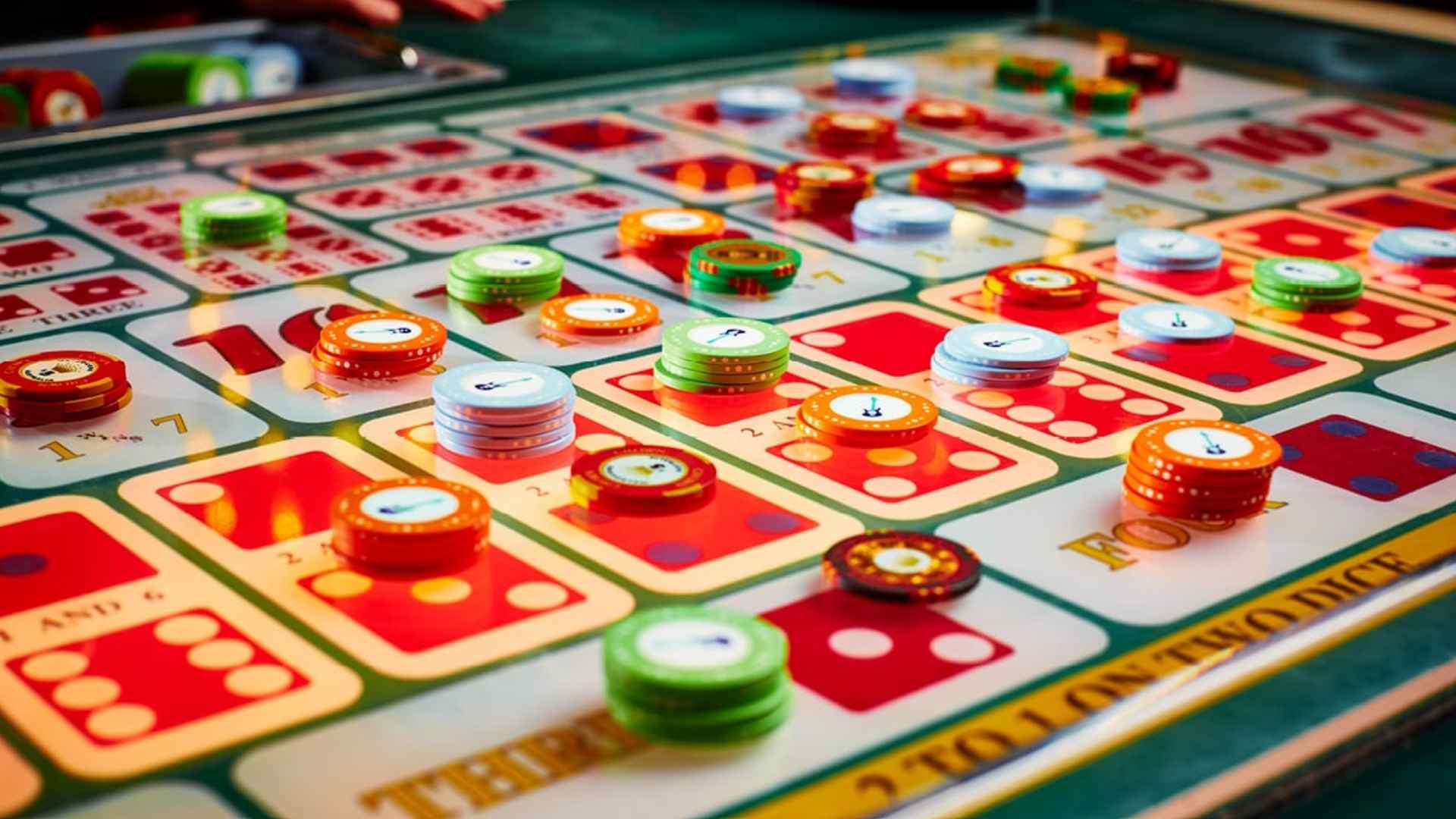
The traditional gaming landscape has experienced a massive wave of innovation as developers look to classic card mechanics for inspiration. Among these, baccarat has proven to be an incredibly fertile foundation for designing brand new casino table concepts. By dissecting its structured rules and elegant simplicity, modern creators are successfully building fresh hybrid games that appeal to contemporary players.
The Multi Hand Influence on Modern Layouts
Traditional variations like Baccarat Banque demonstrated that managing multiple positions simultaneously could significantly heighten player engagement. This distinct layout architecture has heavily influenced new table concepts that feature split betting sectors and dual active fields. Modern developers use these spatial dynamics to give participants a broader view of the action and more tactical options per round.
These expanded table designs have transitioned smoothly into the digital gaming sector, where screen real estate is optimized for maximum interaction. Enthusiasts looking for similar innovative layouts can explore various options on platforms like the m88 slot network, which highlights modern interface designs. By merging classic multi-hand mechanics with digital convenience, these newer formats maintain a perfect balance between heritage and innovation.
Predictive Mechanics Shape Hybrid Table Games
The core objective of baccarat revolves around pure prediction, where participants wager on an outcome rather than managing complex hand strategies. This straightforward approach to risk has served as a primary blueprint for a new generation of hybrid casino table games. Concepts like Dragon Tiger and various dice-based variants directly inherit this streamlined philosophy to deliver rapid, high-suspense gaming sessions.
By stripping away intricate player options, these new table designs focus entirely on environmental momentum and clear mathematical transparency. Game developers have discovered that modern audiences highly value these uncomplicated, transparent systems because they reduce entry barriers for beginners. The resulting formats preserve the luxurious, high-stakes atmosphere of traditional salons while offering a completely refreshed pace.
Commission Modifications and New Payout Structures
The historical evolution from standard commission baccarat to modern no-commission variants altered how gaming houses handle winning banker percentages. This specific structural adjustment opened the door for innovative table concepts that implement progressive jackpots and customized side metrics. New table creations frequently replace traditional commission tracking with specialized dealer push conditions to simplify bankroll management.
These modified payout frameworks allow for the integration of optional side multipliers that can dramatically increase standard returns during specific rounds. Table game inventors leverage these dynamic mathematical setups to create layered experiences that cater to different risk tolerances. Consequently, the contemporary casino floor continues to expand with alternative titles that feel entirely original yet fundamentally familiar.
Peer to Peer Dynamics in Contemporary Formats
Classic French adaptations like Chemin de Fer historically emphasized direct community engagement by passing the active banking role around the felt. This interactive social element has inspired developers to design modern community-style table games that foster cooperative play. New digital and live-dealer setups frequently include communal chat features and shared leaderboard metrics to replicate this classic sense of camaraderie.
By shifting the focus from isolated player-versus-house structures toward a more collective gaming experience, operators are successfully attracting younger demographics. These social table concepts demonstrate that the historical values of traditional gaming continue to be highly relevant when repackaged for modern ecosystems. Ultimately, the legacy of baccarat variations ensures that the future of casino entertainment remains deeply rooted in sophisticated, shared engagement.