The environment of any traditional tabletop game undergoes a profound shift the moment multiple players take their places around the layout. When an individual plays alone or against a fixed system, the outcomes rely strictly on direct probability and linear choices. However, introducing a variety of distinct personalities transforms a standard round into an intricate network of social pressure and collective behavior.
The Shared Pressure of Collective Choices
When multiple individuals participate simultaneously, every single choice creates a ripple effect that alters the options available to the next person. Traditional formats require players to closely monitor not just their own hands, but also the physical gestures and timing patterns of everyone else at the table. This interconnected structure ensures that the psychological baseline shifts constantly, preventing any single participant from relying on rigid formulaic templates.
Furthermore, the presence of a crowd introduces an unspoken social burden that can distort how people naturally evaluate statistical risk. A choice that seems perfectly logical in isolation might feel incredibly reckless when observed by several opposing peers. This collective tension often triggers unexpected behavioral shifts, turning a routine comparison of numbers into a complex battle of nerves.
How Spatial Orientation Alters Information Flow
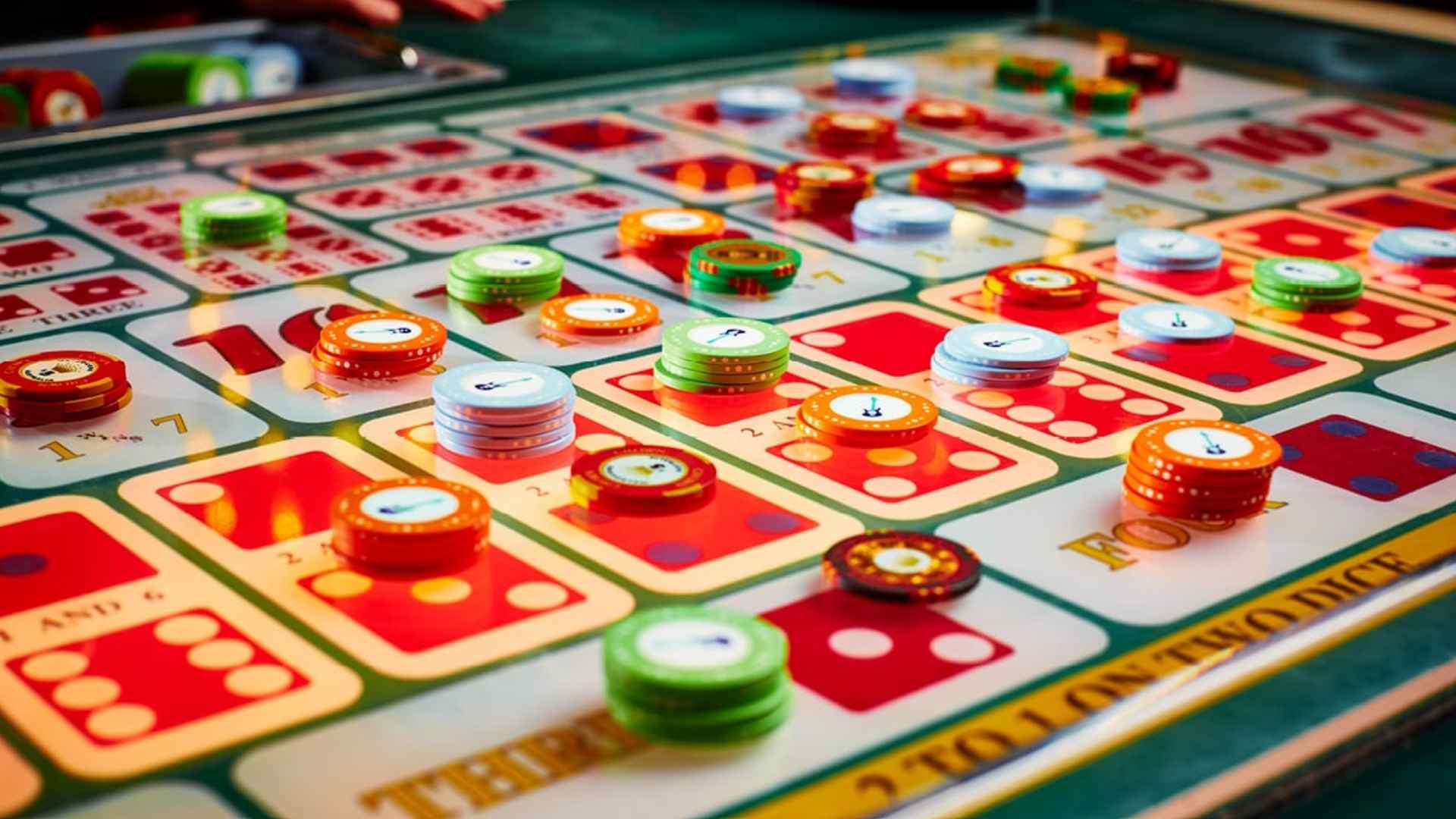
The physical arrangement of a multiplayer table dictates the exact volume of data available to a person before they are forced to act. Sitting closer to the initial dealer position offers an entirely different strategic perspective than occupying a seat at the far end of the semicircular layout. Those who act later in the rotation gain the distinct advantage of observing the strategic mistakes or confident actions of earlier participants.
This reliance on spatial awareness highlights why veteran enthusiasts prioritize seating selections whenever they enter a historic gaming salon. For modern players who wish to explore these multi-layered table environments from the comfort of home, finding a reliable platform is essential. Using an established online hub like m88 allows enthusiasts to experience diverse multiplayer layouts that faithfully replicate these traditional positional challenges.
The Balance of Power and Shifting Responsibilities
In many classic European variants, the core mechanics are specifically designed to distribute financial exposure and operational duties among the participants. Rather than facing a permanent corporate house with limitless capital, players frequently take turns managing the shared funds or controlling the card distribution. This fluid arrangement introduces a unique level of personal accountability that alters the competitive pacing of the entire session.
When an individual assumes temporary responsibility for the table funds, their psychological relationship with the remaining players changes instantly. They are no longer merely guessing at randomized outcomes; instead, they are actively defending a position against a combined group strategy. This dynamic balance of power is precisely what has kept classic tabletop formats relevant across centuries of cultural evolution.
The Ongoing Appeal of Multi Player Environments
Ultimately, analyzing how multiple participants alter table conditions reveals that the human element remains the most unpredictable variable in any strategic pursuit. While modern software solutions can automate the physical dealing and score tracking, they cannot replace the rich interpersonal dynamics built around manual observation. The constant interplay of reputation, position, and shared risk transforms an ordinary leisure pastime into a compelling social ritual.
Understanding these historical shifts provides contemporary enthusiasts with a much deeper appreciation for the games they enjoy today. By recognizing that every additional seat alters the strategic landscape, players can transition from passive observers into highly tactical competitors. This intricate combination of mathematical structure and social psychology ensures that multiplayer tables will continue to captivate global audiences for generations to come.